Mainland buyers looking at Puerto Rico acreage usually do the math on price and leave taxes for later, then discover at closing that the annual property tax bill on 100 acres and two houses is less than a month of HOA dues in Florida. This guide explains why, how the system works, what to check before you buy, and how a buyer who intends to farm can reduce the bill further through the bona fide farmer certification.
What CRIM is and what it does
Property tax in Puerto Rico is not administered by each town. It is administered centrally by CRIM, the Centro de Recaudación de Ingresos Municipales, which assesses real property (land and buildings) and business personal property, issues the bills, collects them, and distributes the proceeds to the island's 78 municipalities. Every parcel has a cadastral number (número de catastro) and a CRIM account. When you buy, the deed is recorded in the Property Registry and the change of owner is separately reported to CRIM so that future bills reach you; your notary handles this, but confirm it was done.
Why assessed values are so low
CRIM assesses real property using valuation tables tied to market values from 1957 and 1958. The tables have been adjusted over the years and new construction is assessed on the same basis, but the result is that the assessed value of most Puerto Rico real estate is a small fraction of its current market value. A house that would sell for $500,000 today might carry an assessed value of $40,000 or less; mountain pasture is assessed at a few hundred dollars per cuerda or less. The tax rate applied to that assessed value is comparatively high by mainland standards, roughly 8 to 12 percent depending on the municipality, but applied to a 1958 valuation it produces a modest bill. Legislative proposals to revalue the base surface periodically and have not been enacted; a buyer should be aware of the possibility without pricing it as a certainty.
How the bill is calculated and paid
- Assessed value of land plus improvements, from the CRIM record.
- Less exemptions. The best known is the residential exemption (exoneración) that removes the first $15,000 of assessed value on an owner-occupied principal residence, which on a modest home can eliminate the bill entirely. Agricultural and other exemptions are described below.
- Times the municipal rate for the town where the parcel sits.
- Billed semiannually, with discounts for early payment and surcharges and interest for late payment. Many owners pay online through CRIM's portal or set up automatic payment through their bank.
Because the assessed base is so low, the practical range for rural land is wide but small in absolute terms: from under $100 a year on an unimproved parcel of a few cuerdas to a few thousand dollars on a large estate with substantial structures.
What to check before closing
- The CRIM record for every parcel. Owner of record, cadastral number, assessed value, and whether the improvements on the ground are actually on the record. An unrecorded second house is common on older fincas; it may mean a reassessment after you buy.
- A debt certification (certificación de deuda or certificación negativa). Unpaid property taxes are a lien that follows the property, so the notary requires this before closing and arrears are paid from the seller's proceeds. Ask to see it.
- Whether the seller has any exemption you will not inherit. A seller's residential exemption or agricultural exemption ends with the sale, so the bill you are shown may be lower than the bill you will receive until you qualify in your own right.
- That the Registry area and the CRIM area agree with each other and with the survey. Discrepancies in cuerdas are a routine finding on rural land and should be reconciled before closing, not after.
The bona fide farmer certification
Puerto Rico's agricultural incentives live in Chapter 8 of Subtitle B of the Puerto Rico Incentives Code (Act 60-2019), which absorbed the earlier Agricultural Tax Incentives Act and was most recently restated by Act 67-2025. The gateway to all of them is the bona fide farmer certification (certificación de agricultor bona fide), issued by the Puerto Rico Department of Agriculture. Key points:
- It is available to a natural person or an entity that operates an eligible agricultural business, whether as owner, lessee or usufructuary. A tenant farming leased land can qualify.
- The historic test is that the agricultural business is the applicant's principal activity by income; the Code and its regulations set the current threshold and the method of measuring it. Act 67-2025 was passed specifically to clarify and standardize eligibility, so confirm the present rules with a Puerto Rico CPA or the Department rather than relying on older summaries.
- Since Act 51-2021 the certification is valid for four years, subject to annual compliance, and can be revoked if the conditions are not met.
- Eligible activities are broad: crops, livestock, dairy, poultry, aquaculture, forestry, agro-industrial processing of the farm's own production, and several others defined in the Code.
In practice, a buyer who intends to run the land as a genuine farm, with sales and records to show for it, can expect to qualify after the operation is established. A buyer who intends a private estate with a few horses should not plan on it.
What the certification exempts
- Property tax. Real and personal property owned, leased or held in usufruct by a certified bona fide farmer and used in the agricultural business is exempt from CRIM property tax, subject to the Code's use requirements and to filing the required certificate of compliance with CRIM. The land under the farmhouse is still taxable to the extent it is residential rather than agricultural.
- Income tax. 90 percent of net income derived directly from the agricultural business is exempt from Puerto Rico income tax. Gains on the sale of farm assets and investment income are not covered.
- Municipal license tax (patente) on the agricultural activity: exempt.
- Sales and use tax and excise tax on equipment, inputs and supplies used in the agricultural business: exempt, which matters on tractors, fencing, irrigation and feed.
- Other programs. Certified farmers are also the eligible class for Department of Agriculture subsidies, wage incentives and infrastructure programs, and in 2026 the legislature was considering easing permit requirements for them.
How this fits with Act 60
The agricultural chapter is separate from the Individual Resident Investor decree (Chapter 2) that most people mean when they say "Act 60". A relocating investor can hold an individual decree for investment income and, if they genuinely farm, also hold a bona fide farmer certification for the farm's income and property. The two have different requirements, different filings and different compliance risk, and the IRS compliance campaign on Act 22 and Act 60 residency makes it important that the farm be real and the residency bona fide. A Puerto Rico tax attorney and CPA who handle both chapters should design the structure before purchase.
Example: a 100-acre Cayey estate
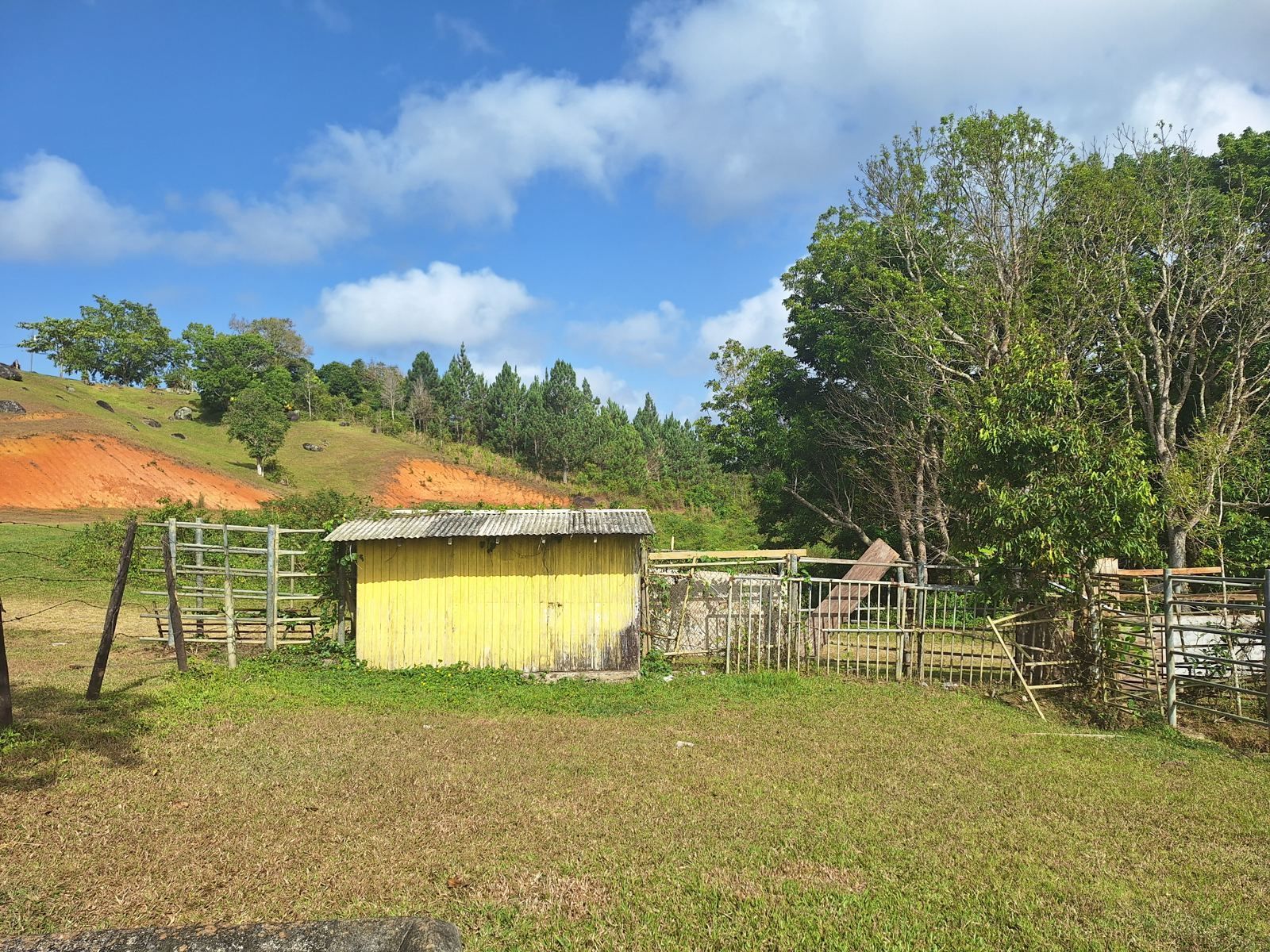
The estate described on this site, about 100 acres in two fee-simple parcels at 2,100 feet in Cayey with a remodeled three-bedroom residence, a second house, gatehouse, corral and farm infrastructure, currently pays about $990 per year in CRIM property tax, with no homeowners association. The land carries A-G agricultural zoning and previously operated as a working farm raising horses, cattle and chickens and growing produce for San Juan restaurants, so a buyer who restores an agricultural operation would have a credible path to the bona fide farmer certification and the exemptions above. Full details, photographs and the inquiry form are on the main page; for the rest of the purchase process see Buying a farm or mountain estate in Puerto Rico.
Frequently asked questions
What is CRIM?
Why are Puerto Rico property taxes so low?
How much property tax does a 100-acre farm pay?
Do I have to pay the seller's unpaid property taxes?
Who qualifies as a bona fide farmer in Puerto Rico?
What does the bona fide farmer exemption cover?
Sources and further reading
- Act 67-2025, amending Chapter 8 of the Puerto Rico Incentives Code on bona fide farmers (English translation, Government of Puerto Rico).
- Act 51-2021, four-year validity of the bona fide farmer certification.
- Laws of Puerto Rico, Title 13 (agricultural tax incentives: property tax and income tax exemptions) and Title 21 (municipal property tax exemptions for land under intensive agricultural use).
- News is my Business, 2026 reporting on proposed permit relief for certified farmers and the number of farmers receiving benefits.
This article is general information, not tax or legal advice. Rates, exemptions and eligibility rules change; confirm current figures with CRIM, the Puerto Rico Department of Agriculture and a Puerto Rico CPA before relying on them. The tax figure for the Cayey estate is the owner's current bill and should be independently verified.