To turn a farm, hacienda or mountain estate in Puerto Rico into a wedding and event venue you need zoning that allows the activity, a use permit with fire and environmental health review, municipal and merchant registrations, a plan for food, alcohol, restrooms and parking, liability insurance, and neighbors who will tolerate music on Saturday nights. On the demand side, Puerto Rico is an easy destination wedding market for US couples, and rustic haciendas and cool mountain settings are already part of how the island markets itself. This guide covers who books these venues, the permits, what a site needs, and how to start small.
The market: who books farm and hacienda venues
Three groups drive demand:
- Destination couples from the mainland. US citizens need no passport, the currency is the dollar, English is widely spoken, and San Juan has more than 125 daily direct flights to US cities. Discover Puerto Rico, the island's tourism marketing organization, promotes rustic haciendas and mountain settings, with cooler temperatures, as an alternative to beach and resort weddings.
- Local families. Puerto Rican weddings, quinceañeras, anniversaries and family reunions are often large, and haciendas in the interior already compete for these events across the island, from Utuado to Vega Baja and Río Grande.
- Corporate and wellness groups. Retreats, leadership offsites, yoga and wellness weekends and product launches want privacy, nature and a reason to leave the city, often mid-week when weddings are not booked.
The competitive edge for a mountain property is the setting: views, cooler evenings, gardens, trails and the feeling of being far away while still about an hour from the airport. The weaknesses are access roads, rain and lodging, which the rest of this guide addresses.
Zoning: can your land host events?
Start here, because it decides everything else. Paid events are a commercial use, and whether a rural parcel can host them depends on its zoning district (calificación), its soil classification in the municipal land use plan, and the specific permitted-use tables in the Joint Permits Regulation. Some rural and agricultural districts allow agro-tourism and related activities outright or with conditions; others require a location consultation (consulta de ubicación) before any event use is approved, and protected agricultural or conservation land may not allow it at all.
Before you invest, have a Puerto Rico licensed planner or attorney confirm whether events are permitted, what conditions apply (capacity, parking, hours, setbacks) and what approvals you would need. Our guide to Puerto Rico zoning codes for rural land explains the system. Linking events to a working farm or a certified agrotourism operation, covered in our eco-lodge and agrotourism guide, can strengthen the case in some districts.
Permits and registrations
A typical new venue business in Puerto Rico works through these steps, most of them online through the government's single permits portal:
- Use permit (permiso de uso) from the Permit Management Office (OGPe) or, in autonomous municipalities, the municipal permits office. The review includes a fire prevention certification and an environmental health certification. Special events and temporary structures can also need a permit from the Fire Bureau.
- Construction permits for any new pavilion, restroom building, kitchen, parking area or grading, with the environmental documentation the project requires.
- Municipal license (patente), which requires the use permit, plus the annual sales volume declaration.
- Merchant registration with the Treasury Department (Hacienda) for sales and use tax (IVU), with monthly returns.
- Employer registrations and State Insurance Fund coverage if you hire staff.
- Food sanitary license from the Department of Health if you prepare or serve food yourself.
- Lodging registration with the Tourism Company and the 7 percent room tax if you rent rooms or houses to guests for stays under 90 days.
Requirements and portals change, and capacity thresholds can trigger additional reviews, so budget time and a permit consultant or attorney for the first round.
Food, alcohol and vendors
Most farm and hacienda venues in Puerto Rico choose one of two models:
- Venue rental with approved vendors. The venue provides the space, tables, restrooms and coordination, and couples hire caterers and bar services from an approved list. Licensed caterers and bar companies carry their own food and alcohol licenses and insurance, which keeps the venue's compliance burden lighter.
- All-inclusive packages. The venue supplies food and beverage itself, earning more per event but taking on a commercial kitchen, a food sanitary license, staff, and an alcohol license from the Treasury Department with the liquor liability that comes with it.
Either way, write vendor rules into your contracts: setup and breakdown windows, power and water access, waste removal, insurance certificates naming the venue, and who is responsible for alcohol service to guests.
What the site needs
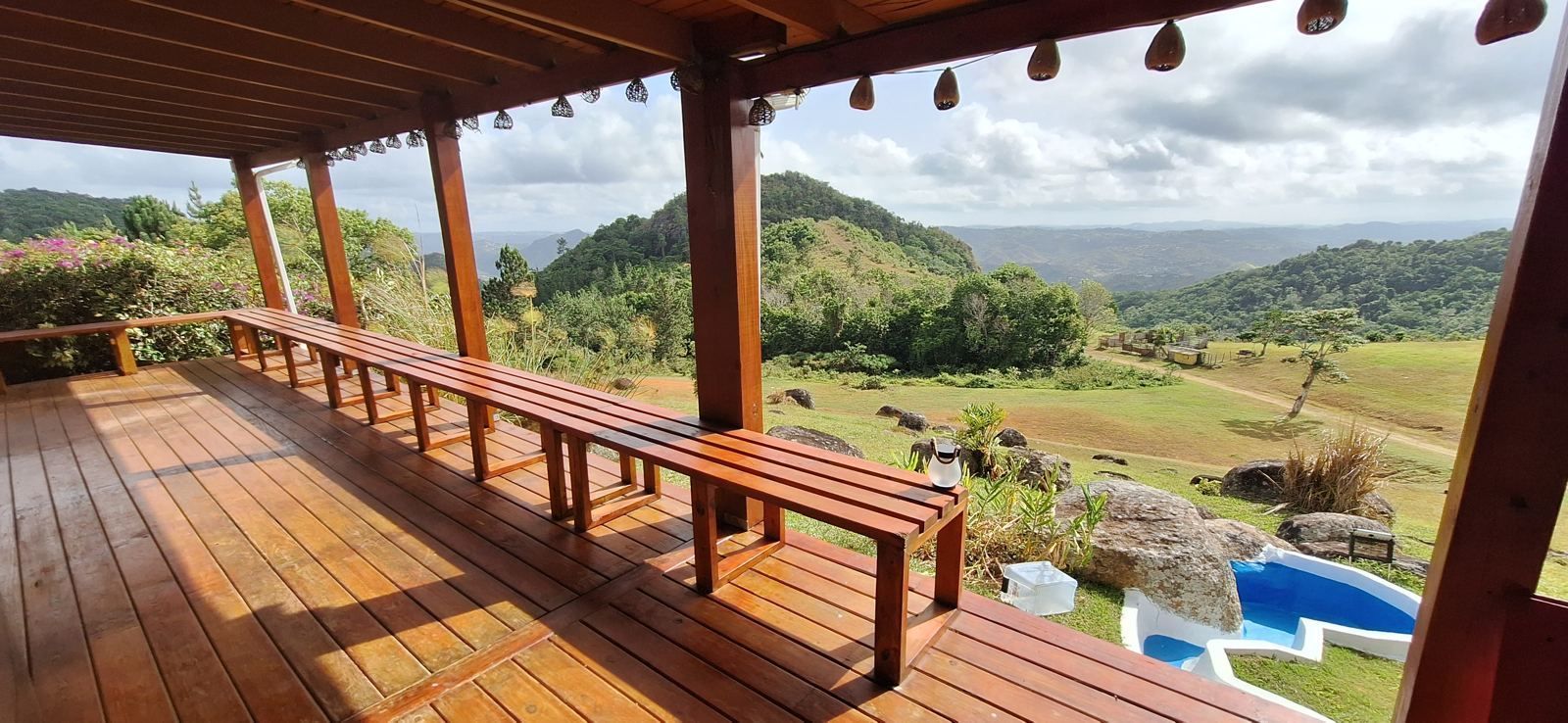
- A ceremony spot with a view. A lookout, lawn edge or deck facing the valley is the photograph that sells the venue.
- Level space for dinner and dancing, sized for your target guest count, with room for a tent.
- Rain plan. Afternoon showers are common in the mountains, especially from May through November. A covered pavilion, large deck or permanent tent site is essential.
- Restrooms. Permanent facilities or a contract for high-quality restroom trailers, sized to guest count and connected to approved septic capacity.
- Water and power. Reliable water storage and a generator or solar and battery backup, since a power interruption during a reception is not an option.
- Access and parking. Mountain roads can be narrow and steep. Many venues use shuttles from a lower parking area or a nearby town, which also limits traffic on the property.
- Lodging. A suite for the couple and rooms for family on site, or partnerships with nearby lodgings, extend the stay and the revenue.
- Accessibility and safety. Lit paths, handrails, accessible restrooms and clear emergency access for fire and ambulance vehicles.
Noise, traffic and neighbors
Sound carries in valleys. Municipal ordinances and environmental noise rules limit amplified music, and neighbors' complaints are the fastest way to lose an event business. Set an end time for amplified music, aim speakers away from homes, use a sound limiter, manage shuttle traffic, and talk to neighbors before the first event. Some venues invite neighbors to an open house or offer them local business opportunities, such as parking, catering or transport.
Insurance and contracts
Expect to carry general liability coverage for guests, often with liquor liability, property coverage for structures and equipment, and workers' compensation through the State Insurance Fund for employees. Require couples and vendors to carry event insurance and name the venue as additional insured. Your booking contract should cover deposits, cancellation and weather policies, capacity, music hours, vendor rules, damage, and hurricane season. Our guide to insuring rural property in Puerto Rico covers property and liability coverage more broadly.
Starting small and growing
A low-risk path is to begin with uses that need little new construction once permits are in place: elopements and micro-weddings of 20 to 40 guests, engagement and editorial photo sessions, private chef dinners, and small retreats, using existing decks, lawns and houses plus rented tents and restrooms. Track inquiries, pricing and neighbor feedback for a season, then decide whether a permanent pavilion, restroom building or lodging addition is worth the investment. Events also combine well with other income streams; see earning income from rural land in Puerto Rico.
A worked example: a Cayey mountain estate
The estate described on this site has several features event planners look for: about 100 acres in two fee-simple parcels at roughly 2,100 feet in Cayey, a long covered deck facing the valley, trails leading to a summit lookout, two creeks, a gated entrance with a gatehouse, a remodeled three-bedroom main house that could serve as a bridal suite or family lodging, and a second residence ready for renovation. It has Starlink internet and a 12,000-gallon cistern, and it is about an hour from San Juan and the airport. The land is zoned A-G agricultural with a B-Q district that, per the owners' zoning confirmation, permits eco-tourism, equestrian, veterinary and similar uses; a buyer planning commercial events should confirm with a planner which event uses and conditions would apply.
The estate is offered for sale at $2,375,000, reduced from $2,500,000, for long-term furnished lease at $15,000 a month, or as a lease with option to buy, with owner financing available. Property tax is about $990 a year, and it is listed on Stellar MLS as PR9124119. See the photographs on the main page, or schedule a private visit to walk the deck and the lookout yourself.
Frequently asked questions
Do I need a permit to host weddings on my farm in Puerto Rico?
Can events be held on agricultural land in Puerto Rico?
Who serves alcohol at a farm wedding in Puerto Rico?
What do couples look for in a Puerto Rico mountain venue?
Can I start with a few events before building a full venue?
What insurance does an event venue need?
Sources and further reading
- 8 reasons to have your destination wedding in Puerto Rico, Discover Puerto Rico.
- Wedding and event venues, Discover Puerto Rico.
- Gestiones básicas para establecer un negocio, Centro de Negocios y Desarrollo Económico, University of Puerto Rico at Mayagüez (Spanish), on use permits, fire prevention and environmental health certifications, sanitary licenses and registrations.
- Room tax, Puerto Rico Tourism Company.
- A complete guide to planning a Puerto Rico destination wedding, The Knot.
This article is general information, not legal, tax or permitting advice. Zoning, permit, licensing, noise and insurance requirements vary by parcel and municipality and change over time; confirm them with OGPe or the municipal permits office and a Puerto Rico attorney or licensed planner before taking bookings or building. Information about the Cayey estate is provided by the owner and should be independently verified.