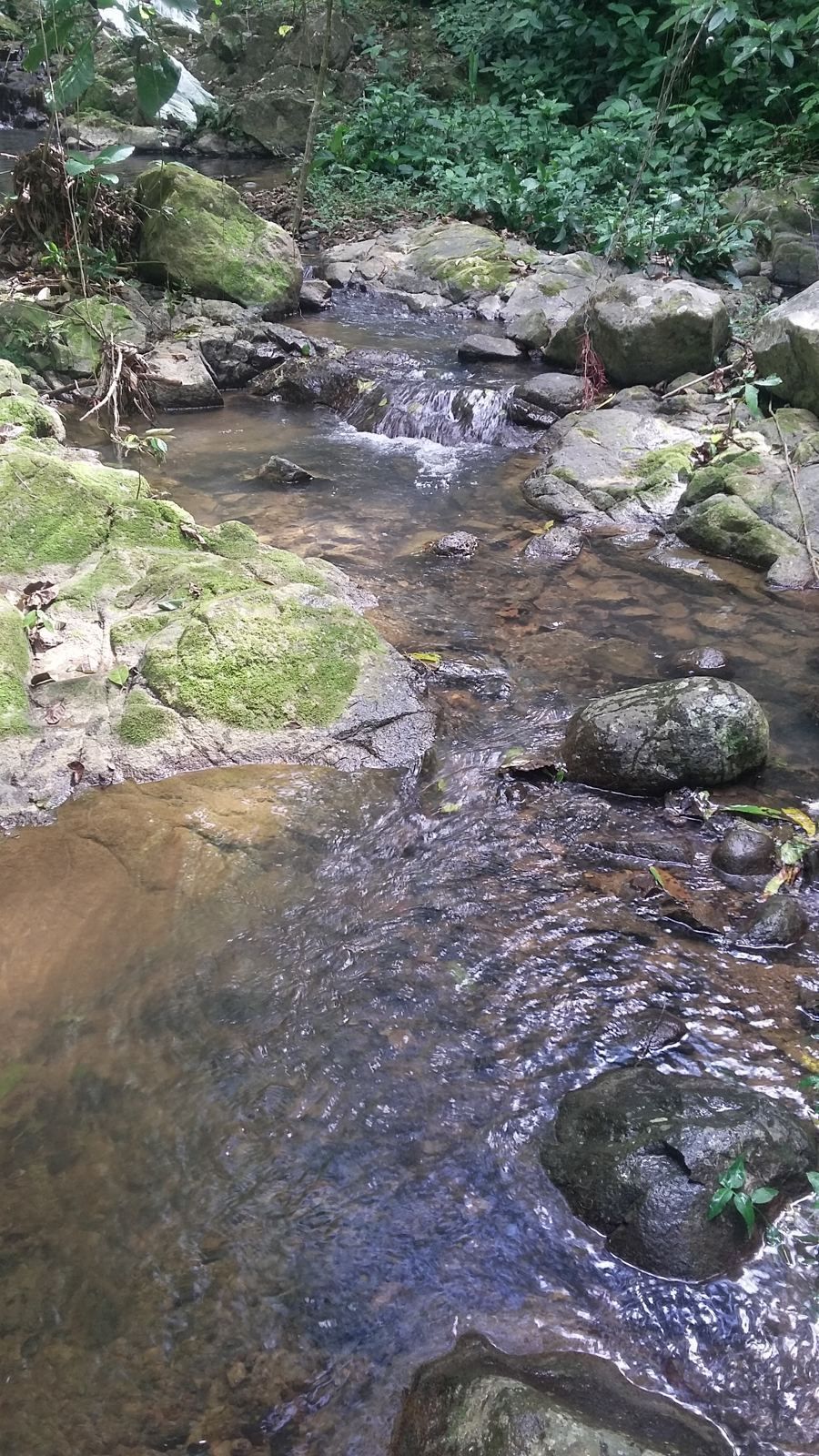
A conservation easement in Puerto Rico, called a servidumbre de conservación, is a permanent, recorded restriction that an owner places on land to protect its natural, agricultural or cultural value, granted to a qualified government agency or nonprofit. Under Ley 183-2001, a qualifying perpetual easement can earn the owner a Puerto Rico tax credit equal to 50 percent of the appraised easement value, transferable once, plus a property tax exemption on the encumbered land. The owner keeps the land and can live on, farm and sell it, but gives up its development rights forever. This guide explains how the program works, who qualifies and what to weigh before signing.
What a conservation easement is
Puerto Rico's Conservation Easement Act (Ley 183-2001, Ley de Servidumbre de Conservación de Puerto Rico) defines the easement as a lien on property that imposes obligations, rights and conditions on the land and its owner for the purpose of protecting an area of natural value or a property of cultural or agricultural value. It can apply to rural or urban land. The law lists purposes that include conserving natural, agricultural, forest or scenic attributes and open space, protecting watersheds, and maintaining air and water quality.
Three features distinguish it from an ordinary easement:
- It is perpetual for tax purposes. Term easements allowed under the Civil Code do not qualify for the tax benefits.
- It is granted by public deed and recorded in the Property Registry, so it binds every future owner. Recording and release are exempt from registry fees.
- It is enforceable. The holder, the Government of Puerto Rico and any party with a conservation interest can sue to enforce it, and a violator can be ordered to restore the land or pay up to three times the easement's value if restoration is impossible.
The owner keeps title. The land can be sold, inherited, mortgaged (subject to the easement) and used in any way the deed allows.
Which land qualifies
To earn the tax benefits, the property needs a certification of important natural or cultural value (Certificación de Importante Valor Natural o Cultural). Natural value is certified by the Department of Natural and Environmental Resources (DRNA) or the Conservation Trust, agricultural value by the Department of Agriculture, and cultural value by the Institute of Puerto Rican Culture. Typical candidates include forest and watershed land, stream corridors, habitat for protected species, scenic ridgelines, productive farmland and historic haciendas.
The law excludes some situations, including land that must be conserved anyway as a condition of a construction permit, land subject to expropriation or forced purchase, and land with mortgages or pending lawsuit notices unless the creditor agrees to subordinate. Buildings are generally excluded from the eligible area unless certified as culturally valuable, which is why owners usually leave the house and yard outside the easement.
Who can hold the easement
The holder is the party that accepts the easement and monitors it forever. Under the law, holders can be:
- Government agencies: the DRNA, the Department of Agriculture or the Institute of Puerto Rican Culture.
- Qualified nonprofits: organizations certified as nonprofit by Hacienda, with conservation as a primary purpose, at least 10 years of active operation in Puerto Rico and accreditation from the Land Trust Alliance.
The best known private holder is the Conservation Trust of Puerto Rico (Fideicomiso de Conservación), founded in 1970, which operates as Para la Naturaleza and has protected land across the island through acquisitions and easements. Holders are selective: they accept easements that fit their conservation priorities and that they can afford to monitor, and many ask the owner to contribute to a stewardship fund.
The 50 percent tax credit
The financial core of the program is the Puerto Rico income tax credit. Under Ley 183-2001 as amended:
- Amount. 50 percent of the value of the easement (or of donated eligible land) on the date of the donation, as established by appraisal.
- Timing. Half in the year the easement is established and the balance the following year.
- Use. Once certified, it can offset Puerto Rico income tax, including the alternative minimum tax and alternative basic tax.
- Carryforward. Unused credit can be carried forward for up to 10 years.
- Transfer. After certification the credit can be sold or transferred once, with notice to Hacienda within 30 days. Credits usually sell at a discount to face value.
- Choice. The owner chooses either this credit or the charitable deduction available under the tax code, not both.
- Cap. Credits are limited program-wide to $15,000,000 per fiscal year, and certifying entities can request a reservation for a given year, so timing matters.
- Basis. The owner's tax basis in the property is reduced by the credit amount, but not below zero.
- Recapture. The credit can be recaptured for fraud, for loss of perpetuity, or for breaches of the deed that cannot be remedied, and knowingly false statements carry criminal penalties.
Property tax. The assessed value of land fully encumbered by the easement is exempt from municipal property tax, with a proportional reduction for a partial easement; the government compensates the municipality. On most rural land in Puerto Rico, where property taxes are already modest (see property tax on farms and rural land), this is a smaller benefit than the credit.
US federal tax treatment of a Puerto Rico easement depends on the owner's residency and the source of their income, and the IRS has closely scrutinized conservation easement valuations on the mainland. Any owner who files US federal returns should get advice from a CPA experienced in both systems before relying on federal benefits.
The process: certification, appraisal and deed
- Talk to a holder. Confirm that a qualified agency or nonprofit wants the easement and agree on its general scope.
- Get the value certification from the DRNA, Department of Agriculture or Institute of Puerto Rican Culture, as applicable. The certification addresses conservation value, not dollar value.
- Clear title issues. Mortgages must be subordinated, liens resolved and the parcel boundaries confirmed by survey.
- Commission the appraisal. The law requires a full appraisal by a licensed appraiser with specified credentials, following Land Trust Alliance and IRS valuation guidance and USPAP, with certifications from the Planning Board and municipality on development potential, a georeferenced map and a sworn statement, plus an independent review at the owner's cost. The lower of the appraised and reviewed values governs.
- Draft and record the deed. The easement is executed as a public deed before a notary, setting out prohibited and reserved uses, and recorded in the Property Registry.
- Certify and claim the credit with Hacienda, and transfer it if you will not use it yourself.
The appraisal is where most of the value is decided, and it turns on the difference between the land's value with and without its development rights. Land with real development potential, documented by zoning and access, produces a larger easement value than land that could never have been built on.
Federal options for farmland
Separately from Ley 183-2001, the US Department of Agriculture's Natural Resources Conservation Service runs the Agricultural Conservation Easement Program in the Caribbean Area, which covers Puerto Rico and the US Virgin Islands. Its Agricultural Land Easements help protect working cropland and grassland, often in partnership with land trusts, and its Wetland Reserve Easements help landowners restore and protect wetlands degraded by agriculture. These are purchase programs with their own ranking criteria rather than tax credits, and they can make sense for farmland in the valleys and on the coastal plains.
Trade-offs and questions to ask
- It is forever. You, your heirs and every buyer give up the development rights in the easement area permanently. That can reduce the land's resale value and narrow the buyer pool.
- Reserve what you need. Home sites, a second dwelling, farm buildings, agricultural use, trails, a future barn or a small lodging area should be written into the deed as reserved rights or left outside the easement boundary.
- Costs come first. Survey, appraisal, review appraisal, legal fees and a stewardship contribution are paid up front, while the credit arrives over two years and may need to be sold at a discount.
- Program capacity. The annual credit cap means a reservation and timing strategy can matter as much as the appraisal.
- Combining with a sale. Some owners place an easement on the most sensitive land and sell the rest, or sell the whole property to a conservation buyer who places the easement after closing. Each route has different tax consequences.
Every one of these decisions should involve a Puerto Rico attorney experienced in conservation easements and a CPA, and the holder will have its own counsel and standards.
How this applies to a mountain estate
A large property in the Cordillera Central often contains exactly the features the law protects: forested slopes, creek corridors, ridgeline views and agricultural land. The estate described on this site is an example of the kind of land where an easement could be considered: about 100 acres in two fee-simple parcels at roughly 2,100 feet in Cayey, with two creeks, trails to a summit lookout, pasture, A-G agricultural zoning and a B-Q district that, per the owners' zoning confirmation, permits eco-tourism, equestrian, veterinary and similar uses. Its remodeled three-bedroom house, second residence, gatehouse and building sites would normally be kept outside any easement so the property can continue to be lived on and used. A buyer interested in conservation could explore which parts of the land, if any, would qualify.
The estate is offered for sale at $2,375,000, reduced from $2,500,000, for long-term furnished lease at $15,000 a month, or as a lease with option to buy, with owner financing available. Property tax is about $990 a year, and it is listed on Stellar MLS as PR9124119. See the full details on the main page, or arrange a private visit. For other ways land can generate value, see earning income from rural land in Puerto Rico.
Frequently asked questions
What is a servidumbre de conservación?
How much is the Puerto Rico conservation easement tax credit?
Can I sell a conservation easement tax credit?
Who can hold a conservation easement in Puerto Rico?
Does a conservation easement lower my property tax?
Can I still live on and farm land under a conservation easement?
Sources and further reading
- Ley 183-2001, Ley de Servidumbre de Conservación de Puerto Rico, unofficial compilation as amended through 2022, Office of Management and Budget (Spanish).
- Ley 138-2004, amending the Conservation Easement Act (Spanish).
- Conservation Trust of Puerto Rico, Wikipedia, on the Trust and Para la Naturaleza.
- Agricultural Conservation Easements, Caribbean Area, USDA Natural Resources Conservation Service.
- USDA offers conservation easements to farmers in Puerto Rico and USVI, News is my Business.
This article is general information, not legal, tax or investment advice. Ley 183-2001 has been amended repeatedly, credit availability is capped each fiscal year, and appraisal and certification requirements are strict; consult a Puerto Rico attorney, CPA and qualified appraiser before pursuing an easement. Information about the Cayey estate is provided by the owner and should be independently verified.