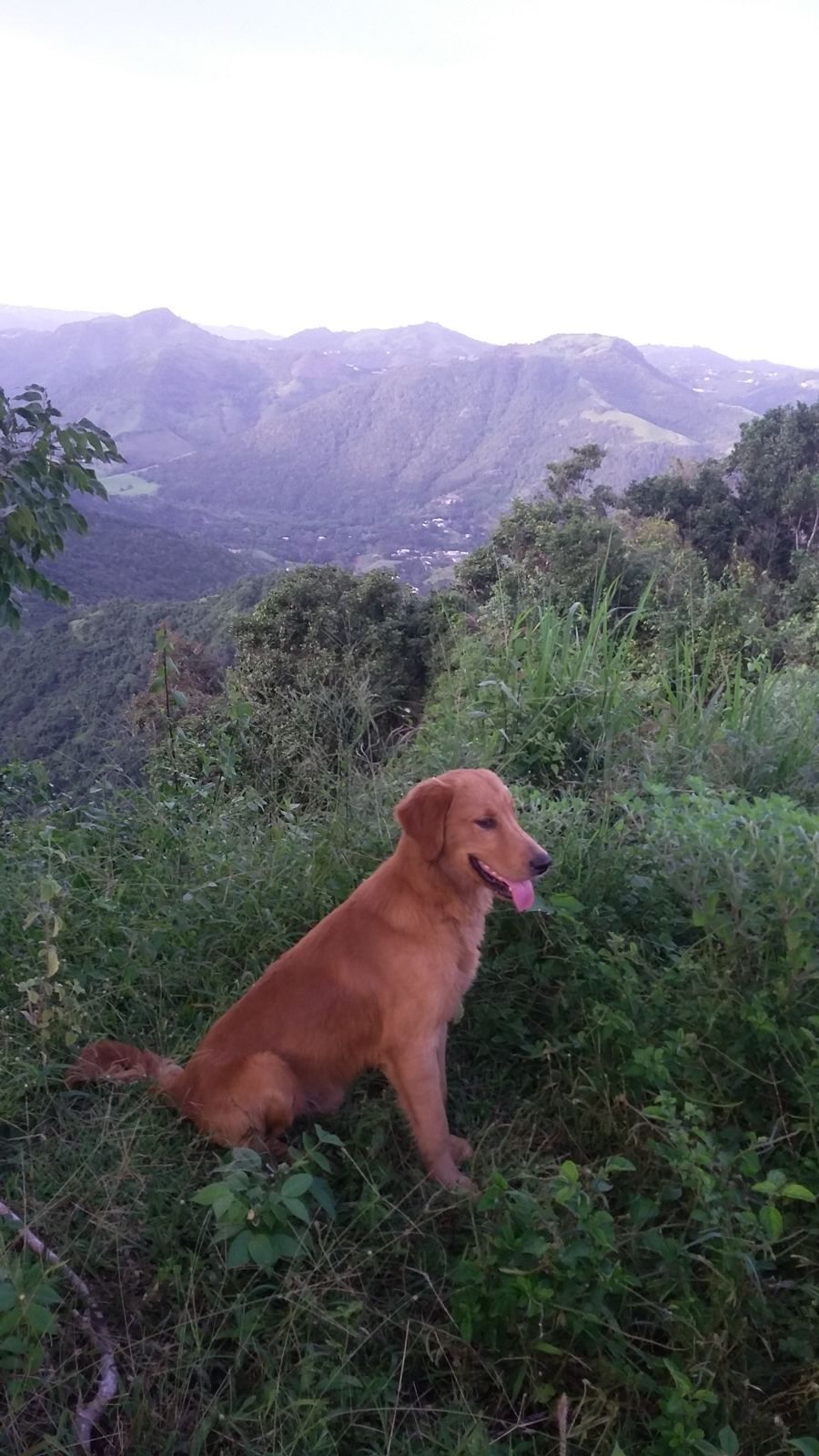
Moving animals to Puerto Rico from the mainland is easier than an international move, because the island is US territory: no import permit for dogs and cats coming from a US state, no customs, no long quarantine for pets. But the Puerto Rico Department of Agriculture does set its own health rules, horses and livestock need permits, and the trip itself, by plane or by boat, takes planning. This guide covers the official requirements for each kind of animal, how they travel, and how to set up for them once you arrive.
Who sets the rules
Animal imports are regulated by the Veterinary Services and Animal Health office of the Puerto Rico Department of Agriculture (PRDA), based in Dorado. Its requirements, last updated in November 2024 at the time of writing, apply to animals arriving from US states and territories. Exotic and wild species also need approval from the Department of Natural and Environmental Resources (DRNA). The rules below summarize the PRDA document; requirements change, so confirm them with the PRDA and your veterinarian before you book transport.
Dogs and cats
- No import permit is needed for dogs and cats moving from a US state.
- Health certificate. An official health certificate issued by an accredited veterinarian in the state of origin, valid for 30 days from the date of inspection, stating that the animal did not come from an area under rabies quarantine.
- Rabies. Animals over four months old must have been vaccinated within the six months before shipment, and the rabies certificate must travel with the animal.
- Parasites. Treatment for external parasites, such as ticks and fleas, within 72 hours before entry, recorded on the health certificate.
- Identification. A microchip or a collar with a metal identification tag. A microchip is the better choice.
Some pet relocation companies describe stricter timing, such as a health certificate within 72 hours of arrival, and some airlines set their own limits. Follow whichever is strictest for your trip, and bring copies of every document in your carry-on.
Horses and other equines
- Import permit from the PRDA before shipment, at $10 per animal, requested with details of the consignor, consignee, animals, identification, test and vaccination dates, shipment date, destination, transport method and purpose. The consignee must be a Puerto Rico resident or a business authorized in Puerto Rico.
- Coggins test. A negative equine infectious anemia test within six months before arrival, run by a USDA-approved laboratory from a sample drawn by an accredited veterinarian, with the lab, date and result on the certificate.
- Vaccinations. Horses six months or older must be vaccinated against Eastern and Western equine encephalomyelitis, influenza and equine herpesvirus within six months before shipment.
- Health certificate from an accredited veterinarian.
- Microchip identification.
- Isolation. Livestock, which includes horses, must be isolated for 15 days at the destination after arrival for further testing by the PRDA.
Puerto Rico has a deep horse culture, especially around the Paso Fino, so farriers, feed stores, tack shops and equine veterinarians are available on the island, but there are far fewer of them than in Kentucky or Florida. Line up a veterinarian and a farrier before the horse lands. For what to look for in the land itself, see Horse and equestrian properties in Puerto Rico.
Cattle, poultry and other livestock
- Cattle need a PRDA permit ($10 per animal), an official RFID ear tag, parasite treatment within 72 hours before entry, negative brucellosis and tuberculosis tests within 30 days, and herd status requirements. After arrival they stay at the consignee's location until a second round of brucellosis and tuberculosis testing is complete. Lactating dairy cattle face additional avian influenza testing under federal orders.
- Poultry and hatching eggs need a PRDA permit ($50), and young birds and eggs need NPIP certification of the source flock. Movements from areas affected by highly pathogenic avian influenza need an additional USDA-approved inspection.
- Goats, sheep, pigs and others have species-specific requirements in the same PRDA document.
Animals found infected or recently exposed to disease can be returned or destroyed at the owner's expense, without compensation, so it pays to get the paperwork exactly right. Many new farm owners find it simpler to buy cattle, goats and poultry locally after they arrive.
How animals travel to the island
Dogs and cats fly. Small animals that fit in an under-seat carrier can travel in the cabin on most airlines serving San Juan. Larger dogs go as checked baggage or cargo, which many airlines restrict or suspend during the hottest months, and short-nosed breeds such as bulldogs and pugs are often refused in the hold altogether. Nonstop flights from Florida or the Northeast and early-morning departures reduce the risk. A professional pet relocation company can handle the bookings and paperwork for a fee.
Horses travel by air cargo or by sea, usually from Florida. Sea shipping in containers has a troubled record: after eight horses died in transit in 2019, Puerto Rico's Gaming Commission set minimum standards for racing Thoroughbreds shipped by boat, including stall dimensions, ventilation that keeps temperatures between 70 and 85°F, constant food and water, and an attendant on every voyage. Those rules cover only racehorses. For any horse, use an experienced equine shipper, ask exactly how and in what the horse will travel, insist on an attendant, and avoid the summer months.
Settling in: climate, vets and the land
- Heat and parasites. Animals from northern climates need time to adjust. The central mountains help: at 2,000 feet, temperatures run 10 to 20 degrees below the coast. Ticks are a year-round issue, so keep up with prevention.
- Veterinary care. Small-animal clinics are found in most towns, including Cayey and Caguas. Equine and large-animal veterinarians are fewer and often mobile, so ask your shipper, local stables or the Paso Fino community for referrals before you arrive.
- Hurricane plan. Plan for storms from June through November: secure shelter, several weeks of feed and medication, water storage for animals, and identification on every animal.
- Fencing and water. Check perimeter fencing and gates before animals arrive, and make sure water reaches every pasture and pen.
A property set up for animals
Bringing animals is much easier when the land is already set up for them. The estate this site describes, about 100 acres at 2,100 feet in Cayey, about an hour from San Juan, was historically home to about a dozen horses plus cattle and chickens. It has perimeter fencing, a gated entrance with a gatehouse, a corral, pasture, two creeks and a 12,000-gallon cistern, along with a remodeled three-bedroom main house, a second residence and Starlink internet. The land is zoned A-G agricultural with a B-Q district and pays about $990 a year in property tax. It is for sale at $2,375,000, reduced from $2,500,000, for furnished long-term lease at $15,000 a month, or as a lease with option to buy. See the photos and details or schedule a visit. For life in the area, see Living in Cayey, Puerto Rico.
Frequently asked questions
What do I need to bring a dog or cat to Puerto Rico from the mainland?
Do I need a permit to bring a horse to Puerto Rico?
Is there quarantine for animals entering Puerto Rico?
How are horses shipped to Puerto Rico?
Can my dog fly to Puerto Rico in the cabin?
Who do I contact about animal imports to Puerto Rico?
Sources and further reading
- Health requirements governing the admission of animals into Puerto Rico, Puerto Rico Department of Agriculture, updated November 11, 2024.
- Request for introduction of animals to Puerto Rico, Puerto Rico Department of Agriculture.
- Puerto Rico implements new pet entry rules, PRWeb (pet relocation company release, 2023).
- Puerto Rico sets new rules for shipping horses by boat, TrueNicks.
- Puerto Rico pet import requirements, PetTravel.
This article is general information, not veterinary or legal advice. Animal import rules and airline policies change; confirm current requirements with the Puerto Rico Department of Agriculture, the DRNA, your veterinarian and your carrier before travel. Information about the Cayey estate is provided by the owner and should be independently verified.